
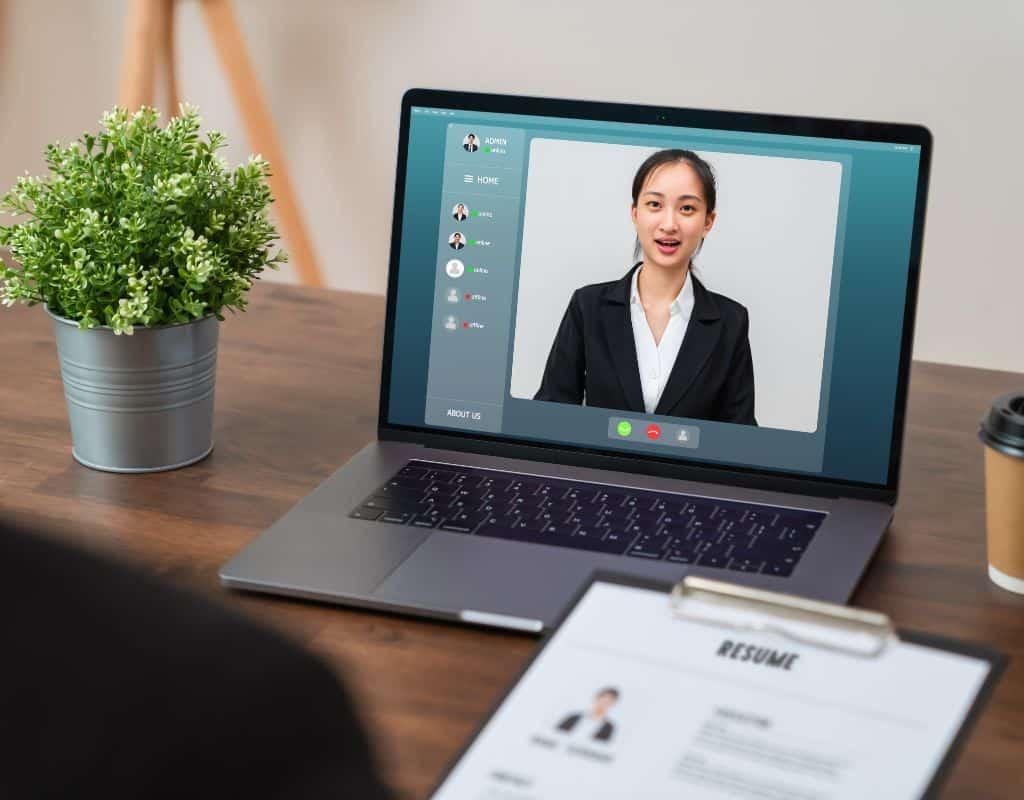
The hiring process has evolved significantly over the past decade, driven by technology and the need for efficiency in recruitment. One of the most innovative changes in recruitment is the one way interview, also known as an asynchronous interview. Unlike traditional face-to-face or live video interviews, a one way interview allows candidates to record their responses to pre-set questions at their convenience. This method is gaining popularity among employers looking to streamline hiring, save time, and evaluate candidates more effectively. In this guide, we will explore what a one way interview is, how it works, the benefits, challenges, and how platforms like careerflix.com are making this process seamless for both candidates and employers.
What Is a One Way Interview
A one way interview is a type of interview where candidates respond to pre-recorded or pre-written questions without an interviewer present. The process is usually conducted through a specialized platform that allows candidates to record video or written responses, which can then be reviewed by hiring managers at a later time. This approach differs from traditional interviews in that it is asynchronous, meaning candidates and recruiters do not interact in real time.
Key features of a one way interview include:
Pre-Set Questions: Employers provide a set of questions that candidates must answer. These can be behavioral, situational, or technical.
Recorded Responses: Candidates submit video, audio, or written responses depending on the platform and company requirements.
Flexible Scheduling: Candidates can complete the interview at a time that works for them, reducing scheduling conflicts.
Evaluation Tools: Employers can review and score responses at their convenience, often using analytics or AI-driven tools to assess performance.
Platforms like careerflix.com provide a comprehensive solution for one way interviews, offering user-friendly interfaces, secure storage of responses, and analytics to help employers make informed hiring decisions.
How a One Way Interview Works
The process of a one way interview is simple and structured, designed to make the experience convenient for both candidates and recruiters. Here’s how it typically works:
Step 1: Invitation
After submitting a job application, candidates receive an email invitation to complete a one way interview. The invitation includes a link to the platform, instructions, deadlines, and details about the interview format.
Step 2: Preparing for the Interview
Candidates review the interview instructions, ensure they have the required technology (camera, microphone, stable internet connection), and choose a quiet, professional environment to record responses.
Step 3: Recording Responses
Candidates answer each pre-set question within the allotted time. Many platforms allow a practice question to help candidates get comfortable before recording the official answers.
Step 4: Submission
Once all questions are answered, candidates submit their responses through the platform. The responses are securely stored for review by hiring managers.
Step 5: Employer Review
Recruiters and hiring managers can access the recorded interviews at any time, allowing them to evaluate candidates based on skills, communication, problem-solving, and overall fit. Platforms like careerflix.com often provide additional tools such as scoring rubrics, AI analysis, and collaboration features for multiple reviewers.
Step 6: Follow-Up
After reviewing the submissions, employers contact shortlisted candidates for live interviews, assessments, or further stages in the hiring process.
Benefits of One Way Interviews
One way interviews offer significant advantages for both employers and candidates:
1. Time Efficiency
Candidates can complete interviews at their convenience, and employers can review responses without scheduling conflicts, saving time for both parties.
2. Standardized Evaluation
All candidates answer the same questions in the same format, allowing recruiters to compare responses objectively.
3. Access to a Larger Talent Pool
Employers can interview candidates from different locations without the need for travel or live scheduling, expanding their recruitment reach.
4. Flexibility for Candidates
Candidates can prepare and record responses at a time that suits them, reducing stress and improving performance.
5. Cost Savings
By eliminating the need for live interviews, companies reduce administrative costs and travel expenses associated with traditional hiring.
6. Improved Record-Keeping
Recorded interviews allow employers to revisit responses, consult with team members, and make better-informed hiring decisions. Platforms like careerflix.com provide secure storage and organized access to interview recordings, making record-keeping simple and efficient.
Challenges of One Way Interviews
While one way interviews have many benefits, there are challenges that candidates and employers should be aware of:
Limited Interaction
Since the interview is asynchronous, candidates cannot ask clarifying questions or engage in real-time discussions with the interviewer.
Technology Dependence
Technical issues such as poor internet connection, camera or microphone problems, and unfamiliarity with the platform can affect performance.
Candidate Nervousness
Some candidates may feel anxious speaking to a camera without a live audience, which can impact their responses.
Risk of Misinterpretation
Without live interaction, body language and tone may be misinterpreted, so candidates need to be clear and professional in their responses.
Bias and Subjectivity
Although one way interviews standardize questions, reviewer bias can still impact evaluation. Using platforms like careerflix.com, which incorporate AI-assisted scoring and structured evaluation rubrics, can reduce subjectivity.
Tips for Candidates to Succeed in One Way Interviews
Candidates can maximize their performance in one way interviews by following these best practices:
1. Prepare Thoroughly
Research the company, role, and likely questions. Draft key points to cover in responses.
2. Choose a Quiet, Professional Setting
Ensure minimal background noise, good lighting, and a neutral background for video responses.
3. Practice Recording
Use practice questions or trial runs to get comfortable speaking to the camera and managing timing.
4. Dress Professionally
Treat a one way interview like an in-person interview, dressing appropriately for the role.
5. Speak Clearly and Confidently
Maintain good posture, eye contact with the camera, and a steady pace when speaking.
6. Stay Within Time Limits
Respect the time allocated for each question while providing complete and concise answers.
7. Check Technology
Test your camera, microphone, and internet connection before starting the interview.
8. Review Responses
Some platforms allow re-recording within limits, so use this opportunity to improve your answers if necessary.
9. Focus on Content
Highlight skills, experience, and achievements relevant to the role while demonstrating enthusiasm and professionalism.
10. Follow Instructions Carefully
Adhere to platform guidelines, submission deadlines, and question requirements to ensure your responses are considered valid.
How careerflix.com Simplifies One Way Interviews
careerflix.com is a leading platform that makes one way interviews easy and effective for both candidates and employers. Features include:
-
User-friendly interface for recording and submitting responses
-
Secure storage and organized access to interview recordings
-
AI-assisted evaluation tools for unbiased scoring
-
Collaboration features for team-based review and feedback
-
Flexibility for candidates to record interviews at convenient times
-
Analytics to help employers identify top talent efficiently
By using careerflix.com, organizations can streamline the recruitment process while providing candidates a professional and flexible interviewing experience.
Conclusion
One way interviews are transforming the recruitment landscape, offering a convenient, standardized, and efficient method for evaluating candidates. While they present challenges such as limited interaction and technological dependence, their benefits including time savings, broader talent access, and objective evaluation make them increasingly popular among employers.
For candidates, preparation, professionalism, and practice are key to succeeding in a one way interview. For employers, leveraging platforms like careerflix.com ensures a smooth, reliable, and effective hiring process. As technology continues to shape recruitment, one way interviews are likely to become a standard feature in hiring strategies across industries.

 English
 Arabic
 French
 Spanish
 Portuguese
 Deutsch
 Turkish
 Dutch
Dutch
 Italiano
 Russian
 Romaian
 Portuguese (Brazil)
 Greek
Greek