
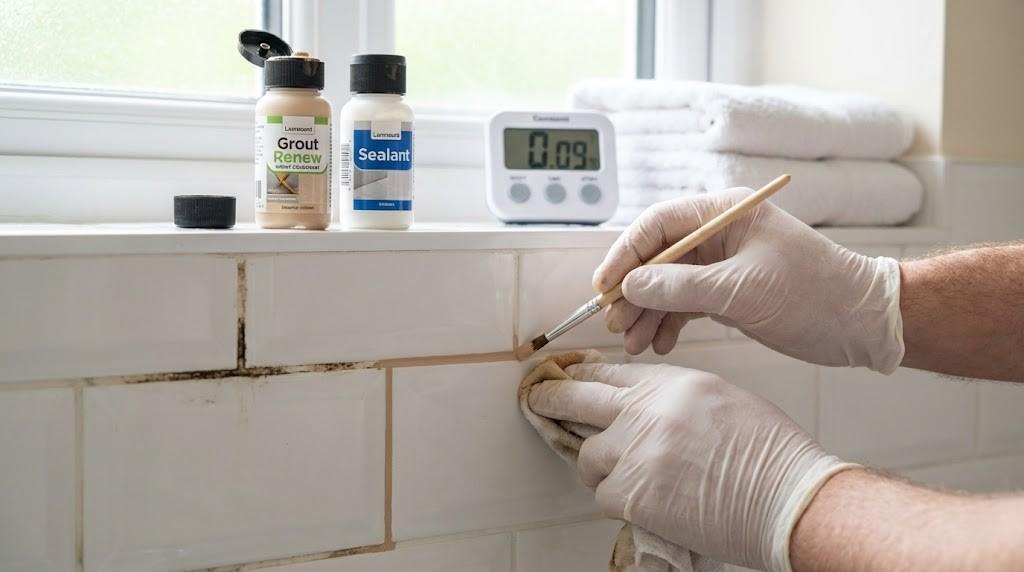
Dull grout has an uncanny ability to drag down an entire room's appearance. Your tiles might still be spotless, but those seams between them speak volumes when they've turned dark or taken on a dingy cast. Spaces that see constant moisture and daily traffic—kitchens humming with activity and bathrooms in continuous use—feel this impact most acutely.
The practical truth is that major demolition rarely solves this problem. Thoughtful treatment can recover that original brightness, eliminate lurking bacteria, and elevate the whole space without a single tile being disturbed. This guide cuts through common misconceptions and identifies precisely when routine cleaning must surrender to professional-grade restoration.
How grout turns from crisp to compromised
Grout's essential nature makes it a magnet for absorption. Even the best sealants only delay the inevitable. Slowly but surely, residues from soap, cooking splatter, body oils, and hard water minerals all seep inward. Humid conditions speed this process by creating perfect environments for unwanted growth.
The visual symptoms sort into clear categories. Some staining remains strictly at the surface, ready for removal. Other cases involve pigments that have migrated deep into the material's core. A third group includes permanent chemical changes or simple material fatigue that no amount of scrubbing can reverse. Knowing which you're facing prevents wasted effort.
The non-negotiable first step: real cleaning
Before considering more aggressive options, commit to cleaning that goes well beyond your usual quick pass.
Find products specifically formulated for grout, choosing neutral to mildly alkaline chemistry. Use stiff nylon brushes only—metal ones will scratch surrounding tile. Work along the joints rather than across them. Rinse generously and allow real drying time. Checking results while moisture remains leads to false conclusions about whether treatment worked.
Clear improvement after complete drying means only surface dirt was present. No change indicates the problem has penetrated too deeply for cleaning alone.
Kitchen-cupboard cures: what works, what wounds
Home remedies get passed around constantly, with mixed reliability.
Baking soda can help with lighter staining. Make a thick paste, scrub gently, and rinse thoroughly. But vinegar—often paired with it—needs caution. Its acidity gradually eats away at cement-based grout. It also fails against mould, bleaching what you see while missing what's growing deeper. Use vinegar sparingly and briefly if at all.
Hydrogen peroxide performs better. It attacks organic stains without damaging grout structure. Let it sit briefly, work the surface, then rinse well. This handles many moderate cases without calling in professionals.
Steam's role in deep restoration
Pressurised steam reaches grime that chemicals alone can't touch. The heat breaks soil loose while killing unwanted organisms. Shower enclosures particularly benefit from this approach.
Keep moving steadily along each joint. Staying in one spot risks heat damage to the grout itself. Dry completely afterward to prevent trapping moisture inside. Use steam as an occasional deep treatment, not weekly maintenance.
The moment cleaning stops helping
When thorough cleaning and patient drying leave joints still dark, the material has changed permanently. This commonly affects older installations or heavily used areas.
More scrubbing becomes pointless here. Worse, aggressive action roughens the surface, making future staining happen faster. This realisation marks where restoration products must take over from cleaning efforts.
Colour restoration that lasts
Modern grout stains—different from simple surface coatings—offer the most reliable renewal method. Their chemistry bonds with the grout itself while creating protective barriers.
Colour choice affects long-term satisfaction. Matching existing tones creates seamless repair. Slightly darker shades forgive future wear better. Bright white looks fresh but shows every subsequent mark. Mid-range tones typically age most gracefully.
Work in manageable sections with proper tools. Wipe stray material from tile faces immediately before it dries. Respect full curing times before normal use resumes. Done carefully, recolouring makes old grout look newly installed.
Quick fixes and their limits
Touch-up pens serve specific purposes well. Their ease and low cost appeal to many. But know their boundaries clearly.
These products sit on the surface without deep bonding. Wet areas and busy spaces wear them away quickly. They're fine for rarely used rooms or quick improvements before guests arrive. For genuine lasting results, proper colourant systems are essential.
Why sealing matters
Restoration without protection wastes your effort. Penetrating sealers create subsurface barriers without changing appearance. Timing is critical—apply only to completely dry grout. Follow manufacturer instructions precisely. Remove any excess from tile surfaces promptly.
Sealants don't make grout stain-proof, but they dramatically slow absorption and make future cleaning easier. In wet spaces, plan to reseal every year or two. Choosing the right product can confuse; knowledgeable staff at your local ceramic tile shop can guide you to sealers matched to your specific grout and conditions.
Handling mould the right way
Dark spreading patches often indicate living contamination rather than simple dirt. Bleach might lighten things temporarily by bleaching surface colour. But it usually misses the root system growing inside. The problem inevitably returns.
Specialised mould treatments designed for porous surfaces attack the actual problem. Allow proper contact time for penetration. Ventilate well during application. Dry thoroughly when finished.
Stubborn mould staining often responds best to recolouring. The process seals the grout, cutting off moisture access and preventing return.
When grout needs more than cleaning
Sometimes problems go deeper than staining. Crumbling, turning powdery, or falling out indicates material breakdown that surface treatment cannot fix.
Small damaged areas can be repaired by carefully removing bad sections and regrouting just those spots. This takes patience but avoids major work.
Widespread failure across large areas suggests bigger issues—structural movement, water getting behind tiles, or failed waterproofing. Surface treatments won't solve these underlying problems.
Daily habits that protect results
Keeping restored grout looking good requires changed behaviour. Wipe wet areas when possible. Improve ventilation. Switch to pH-neutral cleaners instead of harsh chemicals. Avoid abrasive pads that scratch surfaces.
In kitchens, clean spills quickly. In bathrooms, rinse away soap regularly. These simple habits do more to prevent staining than most products you could buy.
Choosing colours that age well
If you ever regrout or recolour, think ahead about maintenance. Very light colours demand constant attention. Very dark ones show every soap trace and water spot.
The middle ground—warm greys, soft beiges, earthy taupes—offers the best balance. These sophisticated neutrals hide minor soiling while complementing most tile choices.
This decision benefits from seeing samples in person. A visit to a well-stocked ceramic tile shop lets you compare grout options against your actual tiles. Treat grout colour as a deliberate design choice, not an afterthought.
Knowing when to start fresh
Certain conditions exhaust what restoration can achieve. Extensive grout failure, loose tiles, or visible damage to what's behind them mean patchwork only delays the inevitable. Full replacement becomes the sensible path. Thankfully, most stained grout never reaches this point.
Final word
Stained grout rarely means your tiles are finished. Usually, it's a surface problem with a practical solution. Start with proper cleaning. Move to recolouring when needed. Seal everything well. Adjust daily habits to protect your work.
When you're unsure which products or methods fit your situation, a knowledgeable ceramic tile shop can provide guidance tailored to your specific needs. Getting grout right is less about hard work and more about choosing correctly at each stage.
Make those choices well, and your space looks cleaner, brighter, and genuinely cared for—without the cost and chaos of starting from scratch.

 English
 Magyar
 Arabic
 French
 Spanish
 Portuguese
 Deutsch
 Turkish
 Dutch
Dutch
 Italiano
 Russian
 Romaian
 Portuguese (Brazil)