
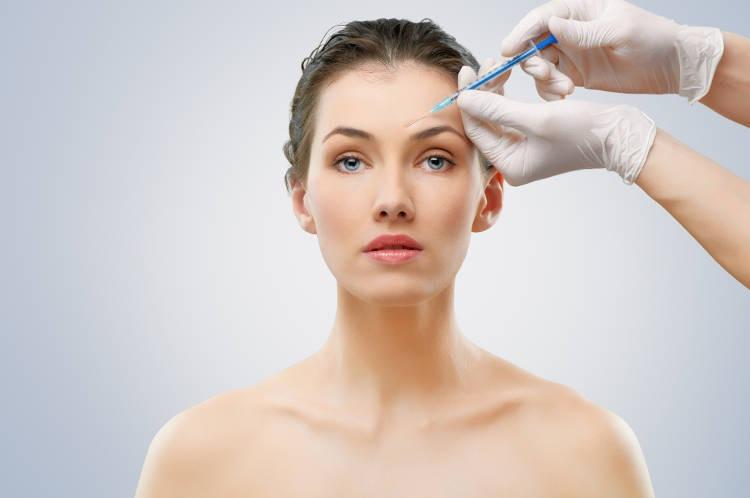
Botox is widely recognized as one of the most popular non-surgical cosmetic treatments for reducing wrinkles and fine lines. As interest continues to grow in procedures like Botox Saudi Arabia, it is essential for patients to understand not only the benefits but also the potential risks and side effects. While Botox has a strong safety record when administered by qualified professionals, being informed about possible complications helps ensure realistic expectations and safer outcomes.
How Botox Works in the Body:
Botox is a purified protein derived from botulinum toxin type A that temporarily blocks nerve signals to targeted muscles. By preventing muscle contractions, it smooths dynamic wrinkles caused by repetitive facial movements. The effects are localized and temporary, typically lasting three to six months. Because Botox affects nerve communication, understanding its mechanism helps explain both its benefits and its potential side effects.
Common Mild Side Effects:
Most Botox side effects are mild and temporary, resolving within a few hours or days. These commonly include:
-
Redness at the injection site
-
Mild swelling
-
Minor bruising
-
Tenderness or slight discomfort
-
Temporary headache
These reactions are generally part of the body’s normal response to injections and do not indicate serious complications.
Temporary Muscle Weakness:
Because Botox works by relaxing muscles, unintended weakness in nearby muscles can sometimes occur. This may result in:
-
Slight drooping of the eyelid (ptosis)
-
Uneven eyebrow positioning
-
Mild asymmetry in facial expressions
-
Difficulty making certain facial movements
These effects are typically temporary and improve as the Botox gradually wears off.
Allergic Reactions and Sensitivities:
Although rare, allergic reactions to Botox are possible. Symptoms may include:
-
Itching or rash
-
Swelling beyond the injection site
-
Shortness of breath
-
Dizziness
Severe allergic reactions are extremely uncommon but require immediate medical attention. Discussing your medical history with your provider reduces potential risks.
Risk of Infection:
Any injectable treatment carries a minimal risk of infection if proper hygiene standards are not maintained. Signs of infection may include:
-
Persistent redness
-
Warmth at the injection site
-
Increasing pain
-
Pus or unusual discharge
Choosing a reputable clinic that follows strict sterilization protocols significantly lowers this risk.
Rare but Serious Complications:
In very rare cases, Botox can spread beyond the intended treatment area. This may cause more serious side effects such as:
-
Difficulty swallowing
-
Vision problems
-
Muscle weakness in unintended areas
-
Breathing difficulties
Such complications are uncommon when appropriate doses are used by trained professionals. Prompt medical attention is necessary if severe symptoms occur.
Factors That Increase Risk:
Certain factors may increase the likelihood of side effects or complications. These include:
-
Receiving treatment from an unqualified injector
-
Incorrect dosage or improper injection technique
-
Pre-existing neuromuscular conditions
-
Pregnancy or breastfeeding
-
Not following aftercare instructions
When considering Botox Saudi Arabia, selecting a licensed and experienced provider is one of the most important safety measures.
Post-Treatment Care to Minimize Risks:
Following proper aftercare instructions can help reduce the chance of complications. Patients are usually advised to:
-
Avoid rubbing or massaging treated areas
-
Stay upright for at least four hours
-
Avoid strenuous exercise for 24 hours
-
Follow all specific guidance from their provider
Adhering to these recommendations supports optimal results and minimizes unwanted effects.
Psychological and Expectation-Related Risks:
Not all risks are physical. Unrealistic expectations can lead to dissatisfaction even when results are technically successful. It is important to understand that:
-
Botox provides temporary improvements
-
It does not permanently stop aging
-
Subtle enhancement is the goal
-
Results vary from person to person
A thorough consultation helps align expectations with achievable outcomes.
Comparing Risks to Other Cosmetic Treatments:
When compared to surgical procedures, Botox is generally considered low risk. Unlike surgery, it:
-
Requires no incisions
-
Involves minimal downtime
-
Has temporary effects
-
Allows for gradual adjustments
However, even minimally invasive procedures require careful consideration and professional oversight.
Who Should Avoid Botox:
Botox may not be suitable for everyone. Individuals who should avoid or delay treatment include:
-
Pregnant or breastfeeding women
-
People with certain neurological disorders
-
Individuals with active skin infections
-
Those allergic to any Botox ingredients
A detailed medical consultation ensures that the treatment is safe and appropriate for each patient.
Final Thoughts:
Botox remains one of the safest and most effective non-surgical cosmetic treatments when performed by a qualified professional. While mild and temporary side effects are common, serious complications are rare. Understanding potential risks, following proper aftercare, and choosing an experienced provider are essential steps toward achieving safe and satisfying results. By being informed and realistic about expectations, patients can confidently decide whether Botox is the right option for their aesthetic goals.

 English
 Magyar
 Arabic
 French
 Spanish
 Portuguese
 Deutsch
 Turkish
 Dutch
Dutch
 Italiano
 Russian
 Portuguese (Brazil)
 Greek
Greek