
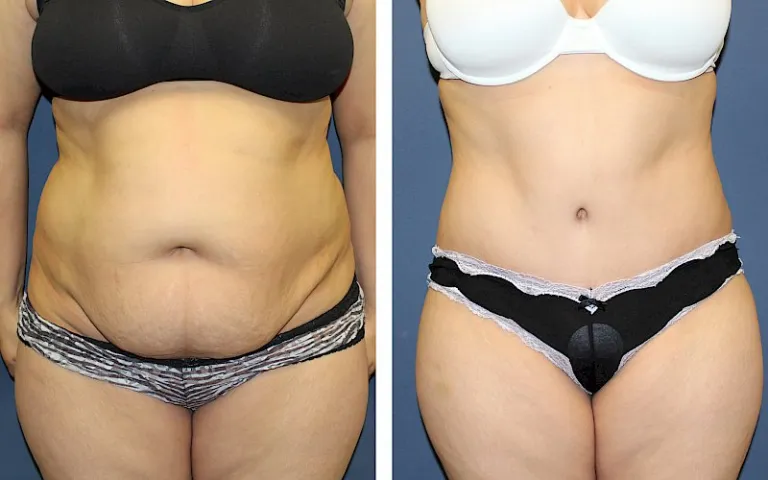
Liposuction is one of the most popular cosmetic procedures worldwide, designed to remove stubborn fat deposits and improve body contours. While it is not a weight-loss solution, it can effectively target areas that resist diet and exercise.
If you're considering liposuction, understanding how the procedure works, what recovery involves, potential risks, and realistic results will help you make an informed decision.
What is Liposuction?
Liposuction is a surgical procedure that removes localized fat deposits from specific areas of the body using a thin tube called a cannula.
Common treatment areas include:
-
Abdomen
-
Hips and flanks
-
Thighs
-
Arms
-
Back
-
Chin and neck
The goal is to sculpt and contour—not dramatically reduce overall body weight.
Types of Liposuction Techniques
Advances in cosmetic surgery have introduced several liposuction methods:
1. Tumescent Liposuction
The most common technique. A sterile solution containing saline, anesthetic, and medication to reduce bleeding is injected before fat removal.
2. Ultrasound-Assisted Liposuction (UAL)
Uses ultrasound energy to liquefy fat before removal, often helpful for denser areas.
3. Laser-Assisted Liposuction
Uses laser energy to break down fat cells, which may also stimulate mild skin tightening.
4. Power-Assisted Liposuction (PAL)
Uses a vibrating cannula to improve precision and reduce surgeon fatigue.
Your surgeon will recommend the best technique based on your goals and anatomy.
Who is a Good Candidate?
Ideal candidates for liposuction typically:
-
They are close to their ideal body weight
-
Have firm, elastic skin
-
Have localized fat deposits
-
Are in good overall health
-
Have realistic expectations
Liposuction is not a substitute for weight loss or obesity treatment.
What Happens During the Procedure?
Liposuction is usually performed under:
-
Local anesthesia with sedation (for small areas)
-
General anesthesia (for larger areas)
During the procedure:
-
Small incisions are made in discreet locations.
-
A cannula is inserted to loosen fat cells.
-
The fat is sucked out.
-
Incisions are closed or left to drain.
The procedure typically lasts 1–3 hours depending on the treatment areas.
Now patients return home the same day.
Recovery Timeline
Recovery varies depending on the extent of treatment.
First Few Days:
-
Swelling and bruising
-
Mild to moderate discomfort
-
Wearing a compression garment
Weeks 1–2:
-
Return to light activities
-
Gradual reduction in swelling
Weeks 4–6:
-
Resume exercise
-
Notice more refined body contours
Final results may take several months as swelling fully resolves.
Expected Results
Liposuction permanently removes fat cells from treated areas. However:
-
Remaining fat cells can still expand with weight gain.
-
Maintaining a stable weight is crucial for long-term results.
Patients often experience:
-
Improved body contour
-
Better clothing fit
-
Increased confidence
Results are typically long-lasting when paired with healthy lifestyle habits.
Risks and Potential Complications
Like any surgical procedure, liposuction carries risks.
Possible complications include:
-
Infection
-
Bleeding
-
Uneven contours
-
Temporary numbness
-
Fluid accumulation (seroma)
-
Scarring
Choosing an experienced, board-certified plastic surgeon significantly reduces these risks.
Combining Liposuction With Other Procedures
Liposuction is sometimes combined with:
-
Tummy tuck (abdominoplasty)
-
Breast procedures
-
Body lift surgeries
Combining procedures can enhance overall contouring but may increase recovery time.
Important Considerations Before Surgery
Before scheduling liposuction:
-
Stop smoking if applicable
-
Maintain a stable weight
-
Disclose all medications and supplements
-
Follow all pre-operative instructions
A thorough consultation ensures the procedure aligns with your health and aesthetic goals.
Final Thoughts
Liposuction Burlington remains one of the most effective procedures for targeted fat removal and body contouring. With advanced techniques and experienced surgeons, patients can achieve smoother, more balanced proportions with long-lasting results.
However, it is important to approach liposuction with realistic expectations. It is a contouring tool—not a weight-loss solution.

 English
 Magyar
 Arabic
 Spanish
 Portuguese
 Deutsch
 Turkish
 Dutch
Dutch
 Italiano
 Russian
 Romaian
 Portuguese (Brazil)
 Greek
Greek