
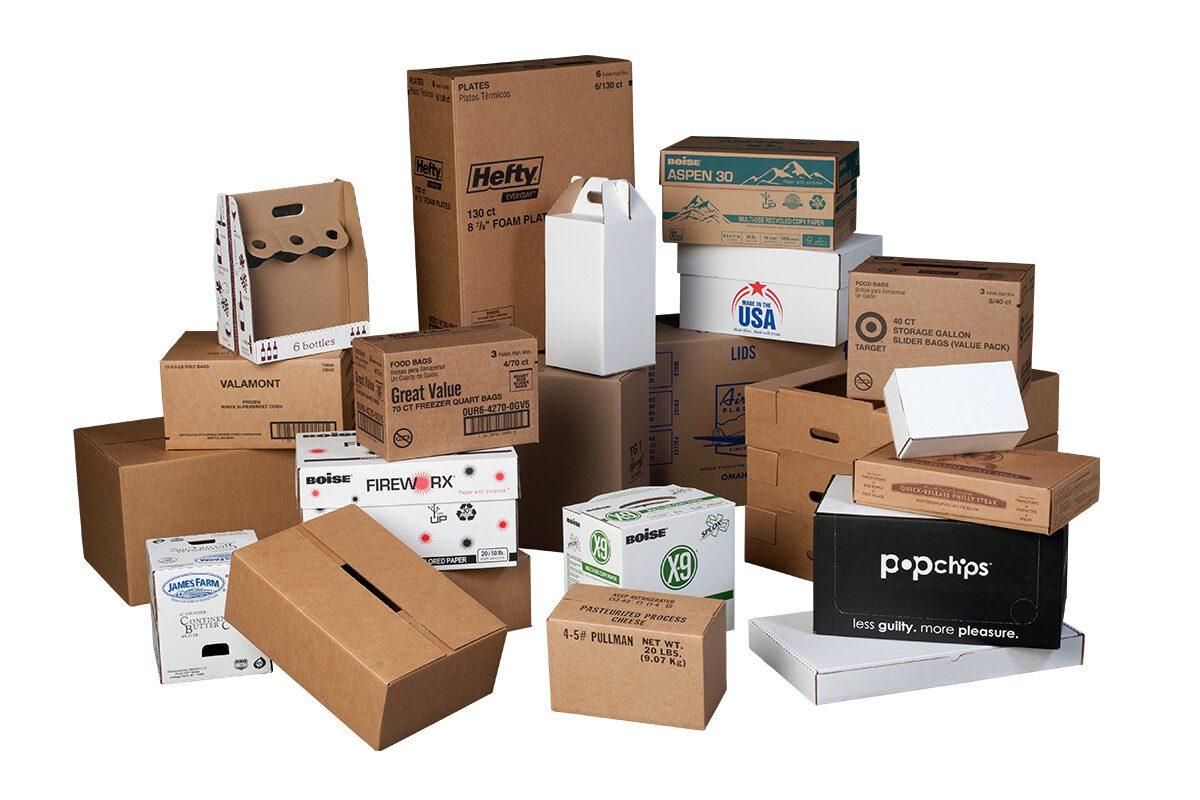
Corrugated container packaging is one of the most widely used and trusted packaging solutions across industries. From e-commerce and retail to food and manufacturing, corrugated boxes play a vital role in protecting products, supporting sustainability initiatives, and improving supply chain performance. Their strength, flexibility, and cost-effectiveness make them essential in today’s fast-moving global market.
This article explores how corrugated container packaging enhances product safety, reduces environmental impact, and optimizes logistics operations.
What Is Corrugated Container Packaging?
Corrugated containers are made from corrugated fiberboard, which consists of three layers:
-
An outer liner
-
An inner liner
-
A fluted (wavy) medium sandwiched between them
The fluted layer provides cushioning and strength, making corrugated packaging lightweight yet highly durable. Available in single-wall, double-wall, and triple-wall constructions, these containers can be customized to meet various protection requirements.
Enhanced Product Protection
1. Shock Absorption and Cushioning
The fluted interior layer absorbs impacts during handling and transportation, reducing the risk of damage to fragile or valuable products.
2. Structural Strength
Corrugated boxes are designed to withstand stacking pressure, making them ideal for warehouse storage and pallet shipping.
3. Custom Fit Designs
Custom-sized containers minimize empty space inside the box, reducing product movement and the need for excess filler materials.
4. Moisture and Temperature Resistance
With specialized coatings and treatments, corrugated packaging can offer additional resistance against moisture and environmental factors.
These protective qualities significantly lower the chances of returns, replacements, and customer dissatisfaction.
Sustainability Benefits
Sustainability is a major priority for modern businesses and consumers. Corrugated container packaging offers several eco-friendly advantages:
1. Recyclable and Renewable Materials
Corrugated boxes are primarily made from paper, a renewable resource. Most corrugated packaging is recyclable and often produced from recycled content.
2. Biodegradability
Unlike many plastic packaging options, corrugated materials break down naturally over time.
3. Reduced Carbon Footprint
Lightweight construction lowers shipping weight, which reduces fuel consumption and transportation emissions.
4. Efficient Material Usage
Modern manufacturing processes optimize paper usage, minimizing waste during production.
By adopting corrugated packaging, companies demonstrate environmental responsibility while meeting regulatory and consumer expectations.
Improving Supply Chain Efficiency
1. Lightweight Design
Corrugated containers offer excellent strength-to-weight ratio, reducing shipping costs without compromising protection.
2. Stackability and Storage Optimization
Uniform shapes and strong structures allow efficient stacking in warehouses and trucks, maximizing space utilization.
3. Easy Handling
Corrugated packaging is easy to assemble, seal, and label, speeding up packing and distribution processes.
4. Custom Printing and Branding
Boxes can be printed with handling instructions, barcodes, and branding, improving inventory management and brand visibility.
5. Versatility Across Industries
From small parcels to heavy-duty industrial shipments, corrugated containers adapt to diverse logistical needs.
These features streamline operations, reduce damage claims, and improve overall supply chain performance.
Applications Across Industries
Corrugated container packaging is widely used in:
-
E-commerce and online retail
-
Food and beverage distribution
-
Electronics and appliances
-
Pharmaceuticals and healthcare
-
Automotive and manufacturing sectors
Its adaptability makes it suitable for both small businesses and large-scale enterprises.
Cost-Effectiveness and Scalability
Corrugated containers are cost-efficient for businesses of all sizes. Bulk production reduces per-unit costs, and customization ensures packaging matches product specifications precisely. As businesses grow, corrugated packaging solutions can scale easily to meet increasing demand.
Future Innovations in Corrugated Packaging
The corrugated packaging industry continues to evolve with innovations such as:
-
Smart packaging with QR codes and tracking features
-
Advanced printing technologies for enhanced branding
-
Water-resistant and grease-resistant coatings
-
Improved recycled fiber strength
These advancements further strengthen the role of corrugated containers in modern supply chains.
Final Thoughts
Corrugated container packaging plays a crucial role in product protection, sustainability, and supply chain efficiency. Its durable structure safeguards goods during transit, while recyclable materials support environmental goals. Lightweight design, stackability, and customization enhance logistics performance and reduce operational costs.

 English
 Arabic
 French
 Spanish
 Portuguese
 Deutsch
 Turkish
 Dutch
Dutch
 Italiano
 Russian
 Romaian
 Portuguese (Brazil)
 Greek
Greek