
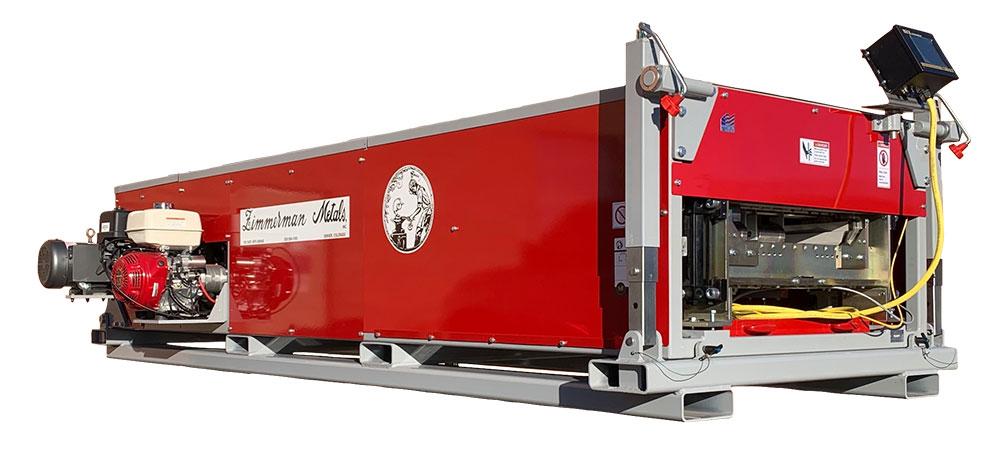
The roofing industry has evolved significantly over the years. What once relied heavily on manual labor and simple tools has now become a highly efficient and technology-driven process. At the center of this transformation are roofing machines—specialized equipment designed to manufacture roofing materials with precision, speed, and consistency. For modern manufacturers and contractors, these machines have become essential tools that help streamline production and improve the overall quality of roofing systems.
Today’s construction projects demand faster timelines, better durability, and consistent material quality. Roofing machines play a major role in meeting these expectations by automating processes that were once time-consuming and prone to human error. From shaping metal panels to cutting precise lengths, these machines help businesses produce roofing materials efficiently while maintaining high standards.
Understanding Roofing Machines
Roofing machines are industrial machines designed to manufacture different types of roofing materials, especially metal roofing panels. These machines typically work by feeding metal coils through a series of rollers that gradually shape the metal into specific profiles used for roofing systems.
The process is known as roll forming, and it allows manufacturers to produce long, uniform roofing panels quickly and accurately. Once the panel reaches the required length, the machine cuts it precisely according to the project specifications.
Roofing machines are commonly used to produce:
· Standing seam roofing panels
· Corrugated metal sheets
· Trapezoidal roof panels
· Custom metal roof profiles
These machines are widely used in manufacturing plants, roofing supply facilities, and sometimes even on construction sites where panels are produced on demand.
Why Roofing Machines Are Important
The demand for metal roofing has grown rapidly due to its durability and modern appearance. As demand increases, manufacturers and contractors need efficient ways to produce high-quality roofing materials. Roofing machines provide several advantages that make them an essential part of modern roofing production.
Increased Production Speed
One of the most obvious benefits of roofing machines is speed. Manual fabrication methods can take a significant amount of time, especially when large quantities of panels are needed.
Roofing machines automate the shaping and cutting process, allowing manufacturers to produce panels continuously. This significantly increases production output and helps companies complete projects faster.
For large construction projects or roofing supply businesses, this efficiency is critical for meeting deadlines and maintaining profitability.
Consistent Quality and Precision
Consistency is another major advantage of using roofing machines. When roofing materials are produced manually, small variations in measurements or shapes can occur.
With modern machines, once the settings are programmed, each panel is produced with the same dimensions and profile. This ensures precise alignment during installation and improves the overall performance of the roof.
Consistent panel quality also reduces the likelihood of installation issues or material waste.
Reduced Material Waste
Metal roofing materials can be expensive, so minimizing waste is important for controlling costs. Roofing machines allow manufacturers to produce panels in exact lengths, which helps reduce scrap material.
Many modern machines include digital measuring systems that automatically cut panels to the required size. This level of accuracy not only saves materials but also improves efficiency during installation.
On-Site Manufacturing Possibilities
Some roofing machines are designed to be portable, allowing contractors to bring them directly to construction sites. On-site manufacturing offers several advantages.
First, it eliminates the need to transport long roofing panels from a factory to the job site. Transporting long panels can be challenging and may lead to damage during delivery.
Second, producing panels on-site allows contractors to adjust panel lengths as needed based on real-time measurements. This flexibility makes installation faster and more efficient.
Types of Roofing Machines
Roofing machines come in several types depending on the specific roofing products they are designed to produce.
Roll Forming Machines
Roll forming machines are the most commonly used machines in metal roofing production. These machines shape metal coils into continuous roofing panels by passing the material through multiple rollers.
Roll forming machines are highly efficient and can produce panels with precise profiles used in standing seam and other modern roofing systems.
Corrugated Panel Machines
Corrugated roofing machines are designed to create wavy or ribbed metal panels. These panels are commonly used in agricultural buildings, warehouses, and industrial facilities because of their strength and affordability.
Standing Seam Roofing Machines
Standing seam roofing machines produce panels with raised seams that interlock during installation. This design provides superior weather resistance and is often used in both residential and commercial projects.
Standing seam roofs are popular for their sleek appearance and ability to prevent water penetration.
Features to Consider When Choosing Roofing Machines
When investing in roofing machines, manufacturers and contractors should consider several important features.
Build Quality
Durability is essential for industrial equipment. Roofing machines should be built with strong steel frames and high-quality rollers to ensure long-term performance.
Automation and Control
Modern machines often include digital control systems that allow operators to adjust panel lengths, speeds, and profiles. Automation improves efficiency and reduces the risk of human error.
Production Capacity
Different machines are designed for different production volumes. Small contractors may prefer compact machines, while large manufacturers may require high-capacity systems capable of producing large quantities of panels daily.
Portability
For contractors who frequently work on job sites, portable roofing machines offer flexibility and convenience. These machines can be transported easily and set up near the construction area.
Maintenance and Longevity
Like any industrial equipment, roofing machines require regular maintenance to ensure reliable performance. Routine cleaning, lubrication of moving parts, and periodic inspections help keep the machine operating smoothly.
Proper maintenance also prevents costly breakdowns and extends the lifespan of the equipment. A well-maintained roofing machine can serve a business for many years while maintaining consistent production quality.
The Future of Roofing Manufacturing
Technology continues to shape the construction and manufacturing industries. Roofing machines are becoming more advanced with features such as computerized controls, automated cutting systems, and improved energy efficiency.
These innovations allow manufacturers to produce roofing materials faster and with greater precision than ever before. As demand for durable and sustainable roofing solutions continues to grow, roofing machines will play an even larger role in meeting the needs of modern construction.
Conclusion
Roofing machines have become an essential part of efficient roofing manufacturing. By automating the production process, these machines allow manufacturers and contractors to produce high-quality roofing panels quickly, accurately, and with minimal waste.

 English
 Magyar
 Arabic
 French
 Spanish
 Portuguese
 Deutsch
 Turkish
 Dutch
Dutch
 Italiano
 Russian
 Romaian
 Greek
Greek