
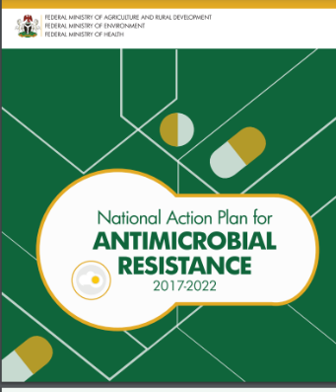
Antibiotics are among the most important medical discoveries in modern healthcare. They have saved millions of lives by treating bacterial infections that were once fatal. However their effectiveness depends on proper use regulation and awareness. Today Antibiotics in Nigeria have become a major public health topic as the country faces increasing concerns about antimicrobial resistance misuse of medicines and uneven access to healthcare services.
Across Nigeria antibiotics are widely used to treat infections such as pneumonia typhoid urinary tract infections and other bacterial diseases. While these medicines play a critical role in improving health outcomes their misuse has created new challenges for healthcare systems. Understanding how antibiotics are used and regulated is essential for strengthening public health strategies and protecting the effectiveness of these life-saving medicines.
Importance of Antibiotics in Nigeria’s Healthcare System
Antibiotics are essential for treating bacterial infections and preventing complications during medical procedures. Hospitals clinics and community health centers across Nigeria rely on antibiotics to manage infections and support patient recovery.
The discussion around Antibiotics in Nigeria highlights how important these medicines are for both primary healthcare and specialized medical treatment. Doctors prescribe antibiotics to treat infections prevent surgical complications and protect patients with weakened immune systems. Without antibiotics many common medical procedures would carry much higher risks.
However the growing demand for antibiotics has also led to concerns about how they are used. In some cases antibiotics are taken without proper medical supervision which can reduce their effectiveness over time.
Access to Antibiotics Across Different Regions
Access to healthcare services in Nigeria varies significantly between urban and rural areas. In major cities hospitals and pharmacies often provide a wide range of antibiotics along with diagnostic services that help doctors determine the appropriate treatment.
In rural areas however healthcare facilities may be limited. Many people rely on small pharmacies or informal medicine vendors where antibiotics may be sold without prescriptions. This can result in incomplete treatment courses or the use of the wrong medication.
The issue of Antibiotics in Nigeria therefore involves both availability and responsible use. Ensuring equal access to healthcare services while promoting safe prescribing practices is essential for improving treatment outcomes.
Growing Concerns About Antibiotic Misuse
One of the major challenges associated with antibiotics is misuse. Antibiotics are sometimes used to treat viral infections such as colds or flu even though they are only effective against bacteria. When antibiotics are used incorrectly they can lose their effectiveness.
Self-medication is also a common issue in many communities. Patients may purchase antibiotics without consulting healthcare professionals or may stop taking medication before completing the prescribed course. These practices can contribute to treatment failure and increase the risk of antimicrobial resistance.
The increasing misuse of Antibiotics in Nigeria has raised concerns among healthcare professionals and public health organizations. Addressing these challenges requires stronger regulation better healthcare education and improved access to diagnostic services.
Antimicrobial Resistance and Its Impact
Antimicrobial resistance occurs when bacteria develop the ability to survive treatments that once eliminated them. This means infections become harder to treat leading to longer illnesses and higher healthcare costs.
Organizations such as the World Health Organization and the Nigerian Center for Disease Control and Prevention have emphasized that antimicrobial resistance is one of the most serious global health threats. In Nigeria resistant infections are becoming more common in both hospitals and communities.
The growing challenge of antimicrobial resistance is closely linked to the use of Antibiotics in Nigeria. When antibiotics are used too frequently or incorrectly bacteria can evolve and become resistant. This reduces treatment options and places additional pressure on healthcare systems.
Efforts to Improve Antibiotic Stewardship
To address these challenges several initiatives are being implemented to promote responsible antibiotic use. Antimicrobial stewardship programs focus on improving prescribing practices educating healthcare professionals and monitoring antibiotic use in hospitals.
The Nigerian National Antimicrobial Stewardship Taskforce works with healthcare institutions and policymakers to support these efforts. Through awareness campaigns research initiatives and training programs the organization helps promote responsible antibiotic use and improve public health outcomes.
These initiatives aim to ensure that Antibiotics in Nigeria remain effective for treating infections while reducing the risk of antimicrobial resistance.
The Role of Public Awareness
Public awareness plays a crucial role in addressing antibiotic misuse. Many people are not fully aware of the risks associated with improper antibiotic use. Education campaigns help individuals understand when antibiotics are necessary and why they should only be taken under medical supervision.
Patients are encouraged to follow medical advice complete prescribed treatments and avoid sharing antibiotics with others. These simple steps can significantly reduce the risk of resistance and protect the effectiveness of existing treatments.
Improving awareness about Antibiotics in Nigeria also involves educating communities about infection prevention hygiene practices and responsible healthcare decisions.
Strengthening Research and Surveillance
Monitoring antibiotic use and resistance patterns is essential for effective healthcare planning. Surveillance programs collect data on antibiotic prescriptions and bacterial resistance trends. This information helps healthcare professionals identify emerging threats and develop better treatment strategies.
Researchers continue to study the patterns of Antibiotics in Nigeria to understand how infections spread and how resistance develops. These studies contribute to national policies aimed at controlling antimicrobial resistance and improving healthcare systems.
Expanding laboratory capacity and strengthening research programs will help Nigeria respond more effectively to antibiotic-related challenges.
Conclusion
Antibiotics remain one of the most powerful tools in modern medicine but their effectiveness depends on responsible use and strong healthcare systems. The growing concerns surrounding Antibiotics in Nigeria highlight the need for better regulation improved healthcare access and stronger public awareness.
Addressing antibiotic misuse and antimicrobial resistance requires collaboration between healthcare professionals policymakers and communities. By promoting responsible prescribing practices strengthening surveillance systems and educating the public Nigeria can protect the effectiveness of antibiotics and improve public health outcomes.
Ensuring the sustainable use of antibiotics today will help safeguard these essential medicines for future generations and support a healthier and more resilient healthcare system.

 English
 Magyar
 Arabic
 French
 Spanish
 Portuguese
 Deutsch
 Turkish
 Dutch
Dutch
 Russian
 Romaian
 Portuguese (Brazil)
 Greek
Greek