
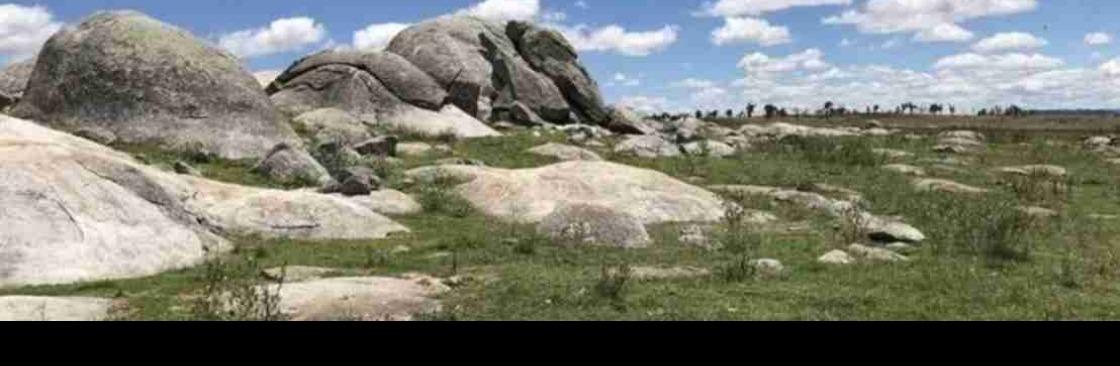
Understanding how environmental and heritage factors influence development projects is essential for responsible planning and long-term sustainability. Many project teams rely on structured frameworks like a Heritage impact assessment mid-coast NSW to evaluate risks, guide decision-making, and ensure compliance with environmental and heritage standards across different project phases.
What Is an Environment and Heritage Impact Assessment
An Environment and Heritage Impact Assessment, often referred to as EHIA, provides a systematic way to evaluate how a project may affect environmental and heritage aspects. It supports better planning decisions by identifying risks early and recommending practical mitigation measures.
This process does not replace legal approval requirements, but it works alongside them to strengthen project outcomes. It ensures that planners consider environmental and heritage values at every stage of development.
Key Objectives of the EHIA Process
The EHIA process focuses on integrating environmental and heritage considerations into decision-making from the beginning. It helps project teams reduce risks and improve outcomes through careful planning.
The main objectives include:
-
Identifying environmental and heritage risks early in the project lifecycle
-
Supporting informed design decisions through structured assessments
-
Applying mitigation strategies to avoid or minimise negative impacts
-
Ensuring compliance with relevant environmental and planning regulations
-
Promoting sustainable and responsible infrastructure development
These objectives help create balanced projects that consider both development needs and environmental protection.
Understanding the EHIA Process Across Project Phases
The EHIA process follows a structured path across different stages of a project. Each phase builds on the previous one and adds more detailed analysis.
Proving Phase (Preliminary Assessment)
During the proving phase, teams gather baseline data about the project area and identify key environmental and heritage constraints. This stage focuses on early planning and option selection.
Important activities in this phase include:
-
Collecting environmental and heritage data through desktop research
-
Identifying constraints such as heritage sites, vegetation, and water bodies
-
Conducting preliminary investigations to compare project options
-
Developing initial mitigation strategies to reduce potential impacts
This phase helps narrow down design options before detailed planning begins.
Pre-delivery Phase (Detailed Assessment)
In the pre-delivery phase, the assessment becomes more detailed and focuses on the preferred design. Teams conduct technical investigations and prepare formal EHIA reports.
Key steps in this phase include:
-
Performing detailed technical studies such as noise, air quality, and heritage assessments
-
Identifying mitigation measures based on the preferred design
-
Preparing EHIA reports with clear documentation of impacts and solutions
-
Securing necessary approvals, permits, and authorisations
This stage ensures the project is ready for implementation with minimal risks.
Delivery Phase (Implementation and Monitoring)
During the delivery phase, teams apply the findings from earlier assessments. They integrate mitigation measures into construction and operational processes.
Environmental performance is monitored through inspections, audits, and management plans. This ensures that all identified risks are properly managed during project execution.
The Role of Mitigation and Impact Management
A key part of the EHIA process involves applying the mitigation hierarchy to manage impacts effectively. This approach helps reduce harm while maintaining project viability.
The mitigation hierarchy includes:
-
Avoiding impacts wherever possible through design changes
-
Minimising impacts that cannot be completely avoided
-
Rehabilitating or restoring affected areas after construction
-
Offsetting impacts when necessary through approved measures
This structured approach ensures that projects remain environmentally responsible.
Technical Investigations and Assessments
EHIA relies on a wide range of technical investigations to understand potential impacts. These assessments vary depending on project size, location, and complexity.
Common investigations include environmental and heritage aspects such as air quality, vegetation, fauna, water systems, and noise levels. Specialists conduct these assessments using field surveys, modelling, and data analysis.
Professional expertise plays a critical role in ensuring that all investigations meet regulatory standards and provide reliable insights for decision-making.
Importance of Stakeholder and Community Engagement
Engaging stakeholders and the community forms an important part of the EHIA process. Projects often affect local environments and communities, so transparency helps build trust.
Project teams may use reports, factsheets, or public consultation processes to share information and gather feedback. This approach allows concerns to be addressed early and supports smoother project delivery.
Large or complex projects may require detailed public assessment reports to ensure proper communication with affected communities.
Choosing the Right Expertise for EHIA Projects
Working with experienced professionals improves the quality and reliability of environmental and heritage assessments. Skilled consultants understand regulatory requirements and apply best practices throughout the process.
Many developers prefer working with a heritage study consultant Mid-Coast NSW who can guide projects through technical assessments, approvals, and compliance requirements while ensuring heritage values are respected and preserved.
Conclusion
The Environment and Heritage Impact Assessment Guideline provides a structured approach to managing environmental and heritage risks in development projects. By following its principles, project teams can deliver sustainable outcomes while meeting regulatory expectations and protecting valuable natural and cultural assets.

 English
 Magyar
 Arabic
 French
 Spanish
 Deutsch
 Turkish
 Dutch
Dutch
 Italiano
 Russian
 Romaian
 Portuguese (Brazil)
 Greek
Greek