
Core Business Definition
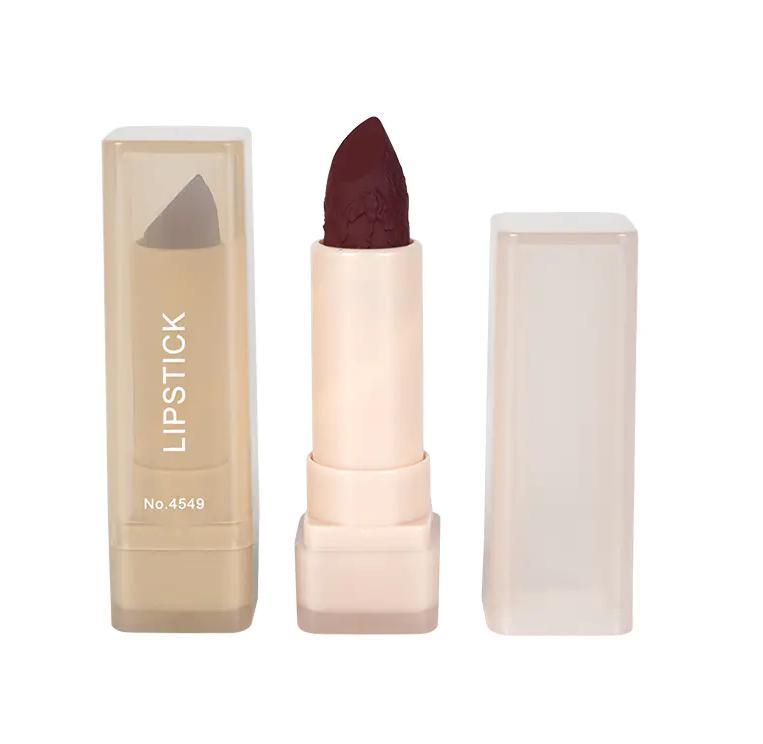
Lipstick manufacturers are specialized cosmetic production companies that formulate and produce color cosmetics designed for lip coloration, moisturization, and protection. These manufacturers range from large-scale multinational corporations with globally recognized brands to private label and contract manufacturing facilities that produce products for smaller beauty brands and retailers. The manufacturing process combines pigment technology, wax and oil systems, and precision molding to create the sticks, liquids, and pencils that consumers use daily for lip makeup application.
Types of Lipstick Manufacturers
The lipstick manufacturers landscape includes several distinct business models serving different market segments. Large beauty conglomerates including global cosmetic companies own multiple brands and operate their own production facilities. Contract manufacturers and OEM companies produce lipsticks for other brands under private label arrangements, allowing smaller companies to enter the market without building factories. Specialized manufacturers focus exclusively on color cosmetics with expertise in wax formulation and pigment dispersion. Regional manufacturers serve local markets with products tailored to regional preferences and regulatory requirements.
Raw Material Selection
Quality lipstick production begins with careful raw material selection within lipstick manufacturers procurement operations. Waxes including beeswax, carnauba, candelilla, and ozokerite provide structure and form stability. Oils such as castor oil, mineral oil, lanolin, and vegetable oils deliver moisturization and pigment dispersion. Pigments including iron oxides, organic colors, and pearlescent minerals provide shade range and color intensity. Emollients like shea butter and cocoa butter improve application characteristics. Preservatives and antioxidants ensure product stability throughout shelf life. Material certifications confirm compliance with regional regulations including international standards.
Formulation Development
Creating new lipstick colors and textures requires specialized formulation expertise within lipstick manufacturers research and development teams. The typical formulation ratio ranges from fifty to seventy percent oils, twenty to thirty percent waxes, and five to fifteen percent pigments. Color matching involves blending multiple pigments to achieve precise shade targets. Finish types including matte, satin, shimmer, and gloss require different wax and oil combinations. Texture development balances pay-off, slip, and wear characteristics. Stability testing ensures formulations maintain appearance and performance through temperature variations. Preservative efficacy testing confirms microbial safety throughout product life.
Pigment Processing
Pigment preparation represents critical technology within lipstick manufacturers production operations. Raw pigments undergo milling using roller mills to achieve consistent particle size distribution affecting color intensity and smoothness. Premicronized pigments reduce grinding requirements but may still need shear to break agglomerates. Ultrasonic processing provides precise control over particle size reduction while avoiding air entrapment common with conventional methods. Uniform particle distribution ensures tinting strength and prevents grainy texture in finished products.
Wax and Oil Phase Preparation
The base preparation begins with separate handling of wax and oil phases within lipstick manufacturers facilities. Oils are heated in process vessels to controlled temperatures for optimal mixing. Waxes are melted in steam-jacketed kettles, often with part of the oil added to aid the process. The melted wax phase is then added to the heated oil phase under agitation. High-shear mixers accelerate melting and ensure uniform combination of components. Temperature control throughout prevents degradation of heat-sensitive ingredients.
Mixing and Dispersion
Combining pigment with the wax-oil base requires specialized mixing equipment within lipstick manufacturers operations. The pigment grind or liquid pigment dispersion is added to the oil-wax mixture and mixed until homogeneous. High-shear rotor-stator mixers draw materials into the workhead where intense shear disperses pigments uniformly. Milling equipment such as three-roll mills passes the mixture between rollers to break down pigment agglomerates. The finished milled product flows into temperature-controlled holding vessels awaiting molding.

 Magyar
 Arabic
 French
 Spanish
 Portuguese
 Deutsch
 Turkish
 Dutch
Dutch
 Italiano
 Russian
 Romaian
 Portuguese (Brazil)
 Greek
Greek