
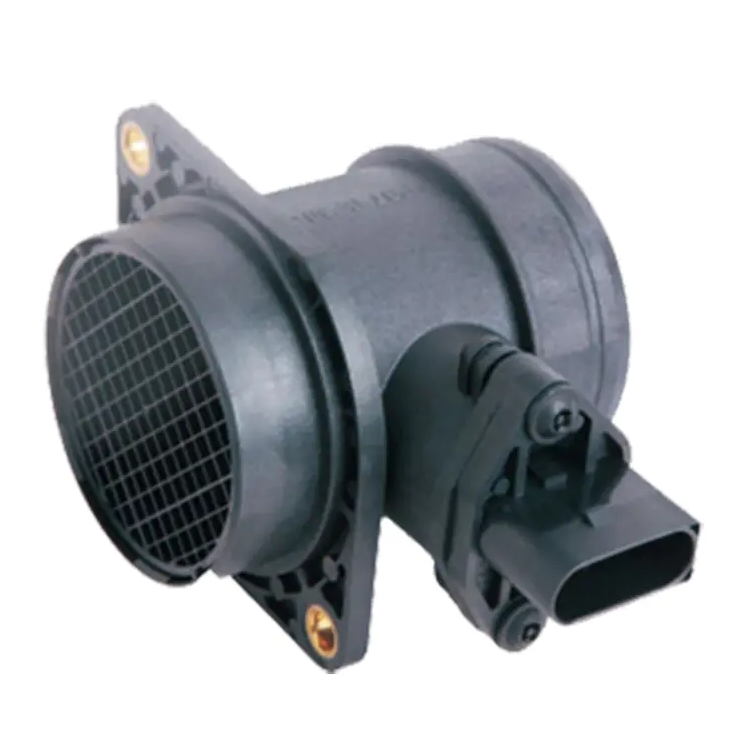
Core Component Definition
A car air flow sensor replacement involves removing a faulty mass airflow sensor and installing a new unit to restore proper engine performance. The mass airflow sensor measures the amount of air entering the engine and reports this data to the engine control unit, which uses it to calculate the correct fuel quantity for combustion. When this sensor fails, the engine loses its ability to meter fuel accurately, leading to rough operation, reduced power, and increased emissions. Replacement becomes necessary when cleaning fails to restore proper function or when the sensor is physically damaged.
Signs Your Sensor Needs Replacement
Several symptoms indicate that a car air flow sensor replacement may be necessary. The check engine light illuminates with diagnostic trouble codes including P0101 for range performance problems, P0102 for low circuit voltage, or P0171 and P0174 for lean fuel mixtures. The engine may idle roughly, hesitate during acceleration, or stall completely. Fuel efficiency often drops noticeably as the computer defaults to rich mixtures for protection. Black smoke from the exhaust indicates excessive fueling, while reduced power makes highway merging and hill climbing difficult. These symptoms worsen over time as sensor degradation progresses.
Lifespan and Failure Causes
Mass airflow sensors typically last between one hundred thousand and one hundred twenty-five thousand miles under normal conditions. Premature failure occurs most commonly from contamination when dirty or low-quality air filters allow particles to reach the delicate sensing element. Oil from over-oiled performance filters can coat the sensor, causing inaccurate readings. Electrical issues including corroded connectors, damaged wiring, or poor ground connections also cause sensor malfunction. Physical damage from engine compartment accidents or improper handling during maintenance can destroy the sensor completely.
Diagnosis Before Replacement
Proper diagnosis ensures that a car air flow sensor replacement actually solves the problem. A scan tool connected to the OBD-II port reads any stored trouble codes and displays live sensor data. At idle, airflow readings typically range from three to seven grams per second depending on engine size. During rapid throttle opening, readings should increase smoothly without hesitation or erratic spikes. Comparing sensor readings against manufacturer specifications confirms whether the sensor operates correctly. Intake system inspection checks for vacuum leaks, cracked hoses, and dirty air filters that could cause symptoms mimicking sensor failure.
Cleaning Versus Replacement
Many contaminated sensors respond to cleaning with specialized MAF sensor cleaner, potentially avoiding replacement costs. The cleaning process involves removing the sensor, spraying the internal elements thoroughly with cleaner, allowing complete drying, and reinstalling. However, cleaning does not always succeed, particularly if contamination has been present for extended periods or if the sensor has physical damage. Some sensors have sealed constructions that cannot be cleaned effectively. If cleaning fails to restore proper operation or if symptoms return quickly, replacement becomes the only reliable option.
Replacement Cost Considerations
The cost of a car air flow sensor replacement varies based on vehicle type and parts quality. Professional installation typically ranges from two hundred fifty to four hundred seventy dollars including parts and labor. Sensor parts alone cost between two hundred and three hundred dollars for original equipment quality, with aftermarket options available at lower prices. Labor adds fifty to one hundred seventy dollars depending on shop rates and vehicle accessibility. Dealership service generally costs more than independent repair shops. DIY replacement reduces cost to just the sensor price, potentially saving over two hundred dollars.
Sensor Selection Factors
Choosing the correct replacement sensor affects long-term reliability and performance. Original equipment manufacturer sensors match the exact calibration of the original part, ensuring proper engine operation. High-quality aftermarket sensors offer cost savings but may use different calibration curves that affect performance. Vehicle-specific selection based on year, make, engine, and emissions configuration ensures proper fit and function. Reading customer reviews and verifying return policies protects against defective units. Cheap sensors from unknown sources often fail quickly or cause driveability problems worse than the original issue.

 English
 Magyar
 Arabic
 French
 Spanish
 Portuguese
 Deutsch
 Turkish
 Dutch
Dutch
 Russian
 Romaian
 Portuguese (Brazil)
 Greek
Greek