
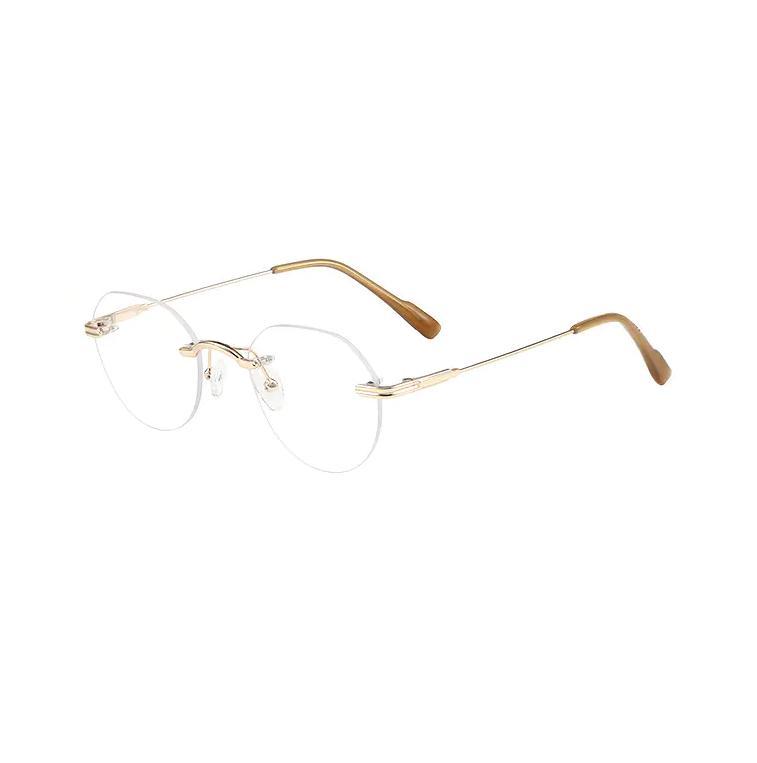
Core Business Definition
Optical glasses frame manufacturers are specialized production companies that design, engineer, and produce the structural components that hold prescription lenses for vision correction. These manufacturers range from large-scale facilities producing millions of frames annually to specialized workshops focusing on premium handmade acetate or metal frames. The manufacturing process combines material science, precision engineering, and craftsmanship to create frames that balance durability, comfort, and aesthetic appeal while maintaining precise dimensional accuracy required for proper lens fitting.
Global Manufacturing Hubs
Optical glasses frames manufacturers are concentrated in specific regions with established eyewear industries. Wenzhou, Zhejiang province hosts numerous manufacturers including Wenzhou Deco International with 10,000 square meter facility producing 200,000 frames monthly across acetate, metal, and TR90 materials. Xiamen, Fujian province is another significant hub where companies like Xiamen Gelashi Optical operate with advanced equipment including injection molding machines, CNC machine tools, and automatic painting systems. Shenzhen also hosts manufacturers such as Shenzhen Bolann Optical with over 450 workers and 1.5 million pieces annual capacity. These clusters provide comprehensive supply chains including material suppliers, tool makers, and component manufacturers.
Material Categories and Properties
Optical glasses frames manufacturers work with diverse materials each offering distinct characteristics. Metal frames utilize titanium for strength and hypoallergenic properties, stainless steel for durability and corrosion resistance, monel for flexibility, beryllium for lightweight strength, and aluminum for corrosion resistance. Plastic frames include zyl for lightweight affordability and color variety, optyl epoxy resin for heat-adjustable fit, cellulose acetate propionate for hypoallergenic lightweight comfort, and hybrid nylon for sports-oriented durability. Material selection directly affects frame weight, flexibility, hypoallergenic properties, and price positioning.
Acetate Frame Manufacturing
Acetate frames represent a significant category within optical glasses frames manufacturers production. Premium manufacturers source acetate from renowned suppliers like Mazzucchelli using organic renewable cotton fiber and wood pulp. The process begins with flat acetate sheets, typically eight millimeters thick for fronts and six millimeters for temples, cut into strips using circular saws. CNC milling machines shape frames through multiple stages including inner circle machining creating lens openings and outer circle profiling defining shape. Tumble polishing using wooden pegs in rotating drums smooths surfaces over four consecutive days with progressively finer media. Hand polishing using four grades of wax compounds achieves final lustrous gloss requiring skilled craftsmanship.
Metal Frame Manufacturing
Metal frame production requires different techniques within optical glasses frames manufacturers facilities. Sheet metal is stamped or cut into component shapes including fronts, temples, and bridges. Precision welding joins components with seamless connections. CNC machining creates hinge structures and decorative elements. Surface finishing includes polishing, electroplating for color and corrosion resistance, and coating applications. Titanium frames require specialized welding techniques due to material properties. Some metal frames incorporate wood, bamboo, or other materials for distinctive aesthetic appeal.
Injection Molded Frame Production
Injection molding enables high-volume production of plastic and TR90 frames within optical glasses frames manufacturers operations. Molten material is forced into precision-machined molds under high pressure, creating complete frame fronts and temples with integrated hinge structures. Multi-cavity molds produce multiple frames simultaneously maximizing efficiency. Cooling rates are carefully controlled to prevent internal stresses causing warping. Advanced manufacturers utilize computer-controlled machines with real-time monitoring maintaining consistent quality across production runs.
Quality Control and Certifications
Rigorous quality systems distinguish professional optical glasses frames manufacturers. ISO 9001 certification validates quality management systems. CE certification confirms compliance with European safety standards. FDA registration enables United States market access. ISO 12870 specifies optical frame requirements. EN12472 addresses nickel release testing. SA8000 certifies social accountability. BSCI verification ensures ethical manufacturing standards.

 English
 Magyar
 Arabic
 French
 Spanish
 Portuguese
 Deutsch
 Turkish
 Dutch
Dutch
 Italiano
 Russian
 Romaian
 Greek
Greek