
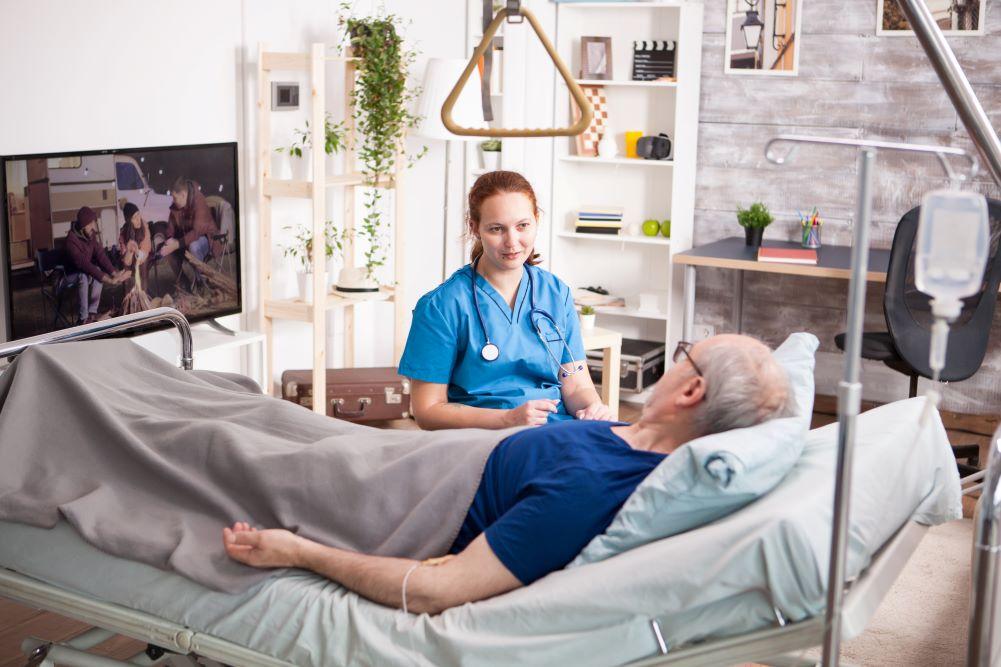
Live-in care specialists are professional caregivers who reside in a client’s home to provide round-the-clock support and assistance. Unlike hourly caregivers who come and go, these specialists stay with the individual, ensuring continuous care, safety, and companionship. Their role extends far beyond basic assistance—they become an integral part of the household, offering both physical and emotional support tailored to the individual’s needs.
Imagine having someone available at all times to help with daily tasks, emergencies, or even just a friendly conversation. That’s the essence of live-in care. It’s not just about meeting needs; it’s about creating a safe, comfortable, and supportive living environment where individuals can thrive without leaving their homes.
How Live-In Care Works
Live-in care typically involves a caregiver staying in the home for extended periods, often working in shifts if 24/7 care is required. They are provided with accommodation and meals while delivering personalized care throughout the day and night. This arrangement ensures that help is always available, reducing the risk of accidents or unattended emergencies.
The structure of live-in care can vary depending on the level of support needed. Some individuals may only require assistance during certain parts of the day, while others may need constant supervision. The flexibility of this model makes it suitable for a wide range of care requirements.
Benefits of Live-In Care
Continuous Support
One of the biggest advantages of hiring live-in care specialists is the uninterrupted support they provide. There’s no waiting for scheduled visits or worrying about what happens when a caregiver leaves. Assistance is available at any moment, whether it’s during the day or in the middle of the night.
This constant presence can be life-changing for individuals with mobility issues, chronic illnesses, or cognitive impairments. It ensures that help is always within reach, significantly reducing stress for both the individual and their family.
Staying at Home Comfortably
Moving into a care facility can be emotionally challenging. Many people prefer to stay in their own homes, surrounded by familiar settings and memories. Live-in care makes this possible by bringing professional support directly into the home.
This arrangement not only preserves independence but also enhances emotional well-being. Being in a familiar environment can improve mood, reduce anxiety, and even contribute to better overall health outcomes.
Types of Live-In Care Services
Elderly Care
Seniors are the most common recipients of live-in care services. As people age, they often face challenges with mobility, memory, and daily activities. Live-in care specialists provide the necessary support while allowing seniors to maintain their independence.
This type of care includes assistance with bathing, dressing, meal preparation, and medication reminders. It also involves companionship, which is crucial for preventing loneliness and depression.
Disability and Chronic Illness Support
Individuals with disabilities or chronic illnesses often require specialized care. Live-in caregivers are trained to handle these situations, providing tailored support that meets specific needs. This may include mobility assistance, monitoring health conditions, and helping with rehabilitation exercises.
The goal is to enhance the individual’s quality of life while ensuring safety and comfort. With the right caregiver, individuals can continue living fulfilling lives despite their challenges.
Responsibilities of Live-In Care Specialists
Daily Living Assistance
A significant part of a caregiver’s role involves helping with daily activities. These include personal hygiene, dressing, cooking, and maintaining a clean living environment. While these tasks may seem routine, they are essential for maintaining health and well-being.
Caregivers approach these responsibilities with sensitivity and respect, ensuring that individuals feel comfortable and valued. The focus is always on promoting independence while providing necessary support.
Companionship and Emotional Support
Beyond physical care, live-in care specialists offer companionship and emotional support. They engage in conversations, participate in activities, and provide a sense of companionship that can greatly improve mental health.
Human connection is a powerful thing. Having someone around who genuinely cares can make everyday life more enjoyable and less isolating.
Live-In Care vs Residential Care Homes
Key Differences
| Feature | Live-In Care | Residential Care Homes |
|---|---|---|
| Living Arrangement | At home | Facility-based |
| Personalization | Highly personalized | Standardized |
| Independence | High | Limited |
| Cost | Flexible | Fixed |
Which Option Is Better?
The choice depends on individual preferences and needs. Live-in care specialists are ideal for those who value independence and wish to stay at home. Care homes, on the other hand, may be more suitable for individuals requiring intensive medical supervision.
Who Needs Live-In Care Specialists
Seniors
As aging progresses, daily tasks can become increasingly difficult. Live-in care provides the support needed to maintain a comfortable and independent lifestyle.
Individuals with Medical Needs
People recovering from surgery or managing chronic conditions can benefit greatly from continuous care. Having a caregiver present ensures that their needs are met promptly and effectively.
Cost of Live-In Care
Pricing Factors
The cost of live-in care specialists depends on several factors, including the level of care required, location, and caregiver experience. Additional services and specialized care can also influence pricing.
Cost Comparison Table
| Service Type | Average Cost Range |
|---|---|
| Live-In Care | Moderate to High |
| Hourly Care | Variable |
| Care Homes | High |
Choosing the Right Live-In Care Specialist
Important Qualities
When selecting a caregiver, look for qualities such as compassion, reliability, and experience. A good caregiver should also have strong communication skills and a genuine passion for helping others.
Questions to Ask
Ask about qualifications, previous experience, and how they handle emergencies. It’s also important to assess compatibility to ensure a positive relationship.
Conclusion
Live-in care specialists offer a unique and highly effective solution for individuals who need continuous support while remaining in the comfort of their homes. They provide not only practical assistance but also emotional companionship, making a significant difference in quality of life. Whether for seniors, individuals with disabilities, or those recovering from illness, live-in care is a powerful alternative to traditional care settings.
FAQs
1. What do live-in care specialists do?
They provide 24/7 assistance with daily activities, companionship, and personalized care at home.
2. Is live-in care better than a care home?
It depends on individual needs, but live-in care offers more independence and personalized support.
3. How much does live-in care cost?
Costs vary based on care needs, location, and caregiver experience.
4. Can live-in caregivers handle medical needs?
They can assist with basic health monitoring, but medical care requires licensed professionals.
5. How do I hire a live-in care specialist?
You can hire through agencies or independently after thorough screening and interviews.

 English
 Magyar
 Arabic
 French
 Spanish
 Portuguese
 Deutsch
 Dutch
Dutch
 Italiano
 Russian
 Romaian
 Portuguese (Brazil)
 Greek
Greek