
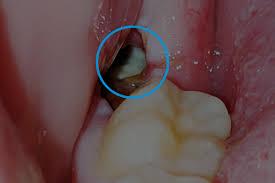
Wisdom teeth removal is one of the most common dental procedures, typically performed when the third molars cause crowding, pain, infection, or other complications. While the surgery itself is routine, the recovery period is crucial for preventing complications and ensuring proper healing. By following the right care practices after the procedure, you can minimize discomfort, reduce the risk of infection, and recover more quickly.
This guide outlines practical tips to help you experience a smooth and comfortable recovery after wisdom teeth removal.
1. Follow Your Dentist’s Post-Surgery Instructions
Your dentist or oral surgeon will provide specific instructions tailored to your procedure. These guidelines are designed to help you heal properly and prevent complications.
Typical instructions may include:
-
Taking prescribed medications on schedule
-
Avoiding certain foods and drinks
-
Maintaining oral hygiene carefully
-
Limiting physical activity for a few days
Following these directions closely is one of the most important steps in ensuring a smooth recovery.
2. Control Bleeding Properly
Some bleeding is normal during the first few hours after surgery. Your dentist will usually place gauze over the extraction site to help a blood clot form.
To manage bleeding:
-
Bite gently on the gauze for about 30–45 minutes after surgery.
-
Replace gauze if it becomes soaked with blood.
-
Keep your head elevated while resting.
Avoid actions that may disturb the clot, such as spitting, vigorous rinsing, or using a straw. These actions can dislodge the clot and lead to a painful condition called dry socket.
3. Manage Pain and Swelling
Pain and swelling are common after wisdom teeth extraction, especially during the first 24 to 48 hours.
Helpful strategies include:
Use ice packs:
Apply an ice pack to the outside of your cheek for 15–20 minutes at a time. This helps reduce swelling and discomfort.
Take prescribed medications:
Your dentist may recommend pain relievers or anti-inflammatory medications. Take them exactly as directed.
Rest:
Your body heals best when you allow it to recover. Avoid strenuous activity during the first few days.
Swelling usually peaks around the second or third day and gradually subsides afterward.
4. Eat Soft and Nutritious Foods
Your mouth will be sensitive after surgery, so choosing the right foods is essential.
Recommended foods include:
-
Yogurt
-
Mashed potatoes
-
Applesauce
-
Smooth soups
-
Scrambled eggs
-
Smoothies (without a straw)
These foods provide nutrients while being gentle on the healing area.
Foods to avoid include:
-
Crunchy snacks like chips and popcorn
-
Hard foods like nuts or raw vegetables
-
Spicy foods that may irritate the gums
-
Extremely hot foods or beverages
Gradually reintroduce normal foods as your comfort improves.
5. Stay Hydrated
Drinking enough fluids supports healing and helps your body recover. Water is the best choice during the recovery period.
However, it is important to avoid using straws for at least a week after surgery. The suction created by a straw can dislodge the blood clot, leading to dry socket.
Stick to sipping water directly from a glass and avoid carbonated or alcoholic beverages during the early stages of recovery.
6. Maintain Gentle Oral Hygiene
Keeping your mouth clean is important to prevent infection, but you must be careful not to disturb the surgical site.
Helpful hygiene tips include:
-
Continue brushing your teeth, but avoid the extraction area for the first day.
-
After 24 hours, rinse gently with warm saltwater several times a day.
-
Avoid strong mouthwashes containing alcohol unless recommended by your dentist.
Good oral hygiene promotes healing and prevents bacteria from accumulating in the mouth.
7. Avoid Smoking and Alcohol
Smoking significantly increases the risk of complications after wisdom teeth removal. The chemicals in cigarettes slow healing and increase the likelihood of dry socket.
Alcohol should also be avoided, especially if you are taking prescription pain medications or antibiotics.
Most dentists recommend avoiding smoking and alcohol for at least 72 hours, although longer is better for proper healing.
8. Limit Physical Activity
Strenuous physical activity can increase blood pressure and trigger bleeding at the surgical site.
For the first few days after surgery:
-
Avoid intense exercise or heavy lifting
-
Rest as much as possible
-
Sleep with your head slightly elevated
Light activities can gradually resume once swelling and discomfort decrease.
9. Watch for Signs of Complications
While most recoveries are smooth, it is important to recognize symptoms that may require professional attention.
Contact your dentist if you experience:
-
Severe or worsening pain
-
Persistent bleeding after several hours
-
Swelling that worsens after three days
-
Fever or chills
-
Pus or unusual discharge from the extraction site
-
Difficulty swallowing or breathing
Early treatment of complications can prevent more serious problems.
10. Be Patient With the Healing Process
Every person heals at a different pace. While the initial discomfort usually improves within a few days, complete healing of the extraction site may take several weeks.
During this time:
-
Follow your dentist’s recommendations
-
Maintain good oral hygiene
-
Attend follow-up appointments if scheduled
With proper care, most people recover fully and return to normal activities quickly.
Final Thoughts
Wisdom teeth removal is a routine procedure that can greatly improve oral health when problematic molars are removed. However, a successful outcome depends not only on the surgery itself but also on how well you care for your mouth afterward.
By controlling bleeding, managing swelling, eating soft foods, staying hydrated, and maintaining gentle oral hygiene, you can significantly improve your recovery experience. Avoiding smoking, alcohol, and strenuous activity further supports proper healing.
If you notice any unusual symptoms or have concerns during your recovery, contacting your dentist promptly ensures that any issues are addressed early.
With patience and proper care, most patients enjoy a smooth recovery and soon return to their daily routines—often with improved comfort and oral health.

 Magyar
 Arabic
 French
 Spanish
 Portuguese
 Deutsch
 Turkish
 Dutch
Dutch
 Italiano
 Russian
 Romaian
 Portuguese (Brazil)
 Greek
Greek